

The current cost of living crisis is starting to bite, not only for private households but also for landlords. Everyone is having to tighten their purse strings due to the energy price increase in April and the impact on the world economy of the Russian invasion of Ukraine.
Inflation hit 7% in March this year, increasing from 6.2% in February, due to the record-breaking increase in energy bills and the rocketing cost of the weekly shop. Economists believe it could be on track to reach a whopping 9%, with the Office for National Statistics showing a continual rise since autumn 2021.
© Doubletree Studio / Shutterstock.com
There are even fears inflation could reach 10% by the end of 2022 if it doesn’t slow down. Petrol is at its highest price in history, at an average cost of £1.60 a litre. Diesel is even more expensive at £1.70 per litre. This represents a 30% increase over the past 12 months, the sharpest increase since the 1980s.
How does this impact landlords?
Just like everyone else, landlords are facing an increase in their bills. This means the bills in their own home will have increased, as well as the bills in their buy-to-let properties, where energy costs are included in the total rent.
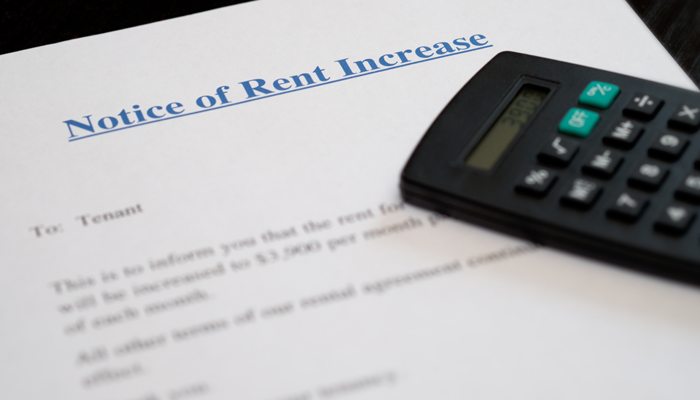
Landlords are faced with the dilemma of whether to implement a rent increase or not. From April, landlords in England could choose to increase social rents by up to 4.1%. Landlords in Scotland, Wales and Northern Ireland are facing a similar quandary.
However, it isn’t as simple as increasing the rent to help make ends meet yourself. According to the HomeLet Rental Index, the average cost of renting in the UK has risen by 8.3% in the past year to £1,060 a month.
The current economic climate is wreaking havoc on tenants’ budgets. They are facing the same cost of living rises as landlords, so an increase in their rent could tip them over the edge, potentially leaving them homeless if they can’t afford, or leaving them without enough money to eat or pay for heating.
Impact of the crisis on tenants
Research reveals the average tenant’s earnings in the UK are below the rental affordability threshold in 55.6% of the country. People’s earnings are now significantly out of step with increased living costs and soaring inflation.
If landlords increase the rent to help cover their own costs, it may lead to losing tenants altogether. Some tenants are living in rental properties, while saving for their own homes. Others are young people wishing to live away from home as a step towards independence.
Both these groups have been hit by the economic crisis, with research showing 27% of young renters are now finding it “impossible” to find a place they can afford. In addition, one-third of renters aged under 35 are moving home to be closer to their workplace, as they are trying to cut the costs of a long commute.
The survey of more than 1,000 18 to 35-year-olds said the consensus was it had become “painfully difficult” to find an affordable place to rent. Many people hadn’t recovered from the economic impact of the pandemic. Now, they were being hit with the latest cost of living crisis, pushing them to breaking point.
In terms of income, landlords will need to work out if they could be pricing themselves out of the affordability market altogether by increasing the rent at this time. Perhaps they may decide to sit tight and hope to weather the storm.
Should rent increases be banned?
Tenants’ advocacy group, Generation Rent, is demanding that rent increases and evictions should be banned altogether in the current climate. It is also calling for a ban on landlords requiring six or 12 months’ rent upfront, as tenants can’t afford it and people on benefits will find it even harder.
The organisation points to government data that states 59% of renters are now finding it difficult to pay energy bills. Almost 50% have had to cut down spending on essential items, including food, to pay their utility bills.
One-third of tenants surveyed say their landlord has increased their rent during the past six months, leaving them with an even bigger struggle to balance their budget.
Generation Rent is also calling for the freeze on the Local Housing Allowance to be removed. It wants to see Discretionary Housing Payment funding be restored to the 2020-21 level.
The group has called for the £20 per week Universal Credit Covid uplift to be reinstated. It was stopped in September 2021, leaving thousands of people £80 a month worse off and living below the poverty line. There have been calls for a fund to be set up to help clear tenants’ rent arrears.
Is any government support available?
While many government initiatives were put in place to help landlords and tenants survive the coronavirus pandemic, housing charities and pressure groups say not enough is being done to help weather the cost of living crisis.
Regulations in England, under the Coronavirus Act 2020, required landlords to give tenants in England a four-month notice period to quit the property. Exceptions applied for cases involving anti-social behaviour or serious rent arrears. However, this rule ended on 30th September 2021 and the law reverted to its pre-pandemic status.
In Wales and Scotland, the notice period of six months, introduced during the pandemic, reverted to previous levels at the end of March 2022. In Northern Ireland, the 12-week extended notice period applied up to 4th May 2022.
Landlords, letting agents and charities are urging the government to do far more in 2022 to help both landlords and tenants to survive through the economic crisis. The Bank of England is aiming to reduce inflation to 2%, but there’s no sign of the green shoots of recovery just yet.
Mortgage increases
In some sectors, the cost of living crisis has led to increased demand in the private rental sector. This is among tenants who are saving for mortgages. A rise in the cost of mortgages has deterred many people from getting on the property ladder just yet. Delaying their decision to buy a house means they will be living in rented property for longer than anticipated. This could be the only piece of good news for landlords in the private rental sector.
Those who are experiencing an increase in the demand for rental homes could see it as beneficial to buy, renovate or refurbish a property. Furniture Rental Online has leasing options available for landlords and property investors looking to furnish a property quickly.
For your convenience, we will deliver, install and remove all packaging, saving you money on fuel and helping to keep renting out your property a cost-effective option.