

Summer is a time for enjoying ourselves outdoors but unfortunately, our leisure activities can increase the risk of fires.
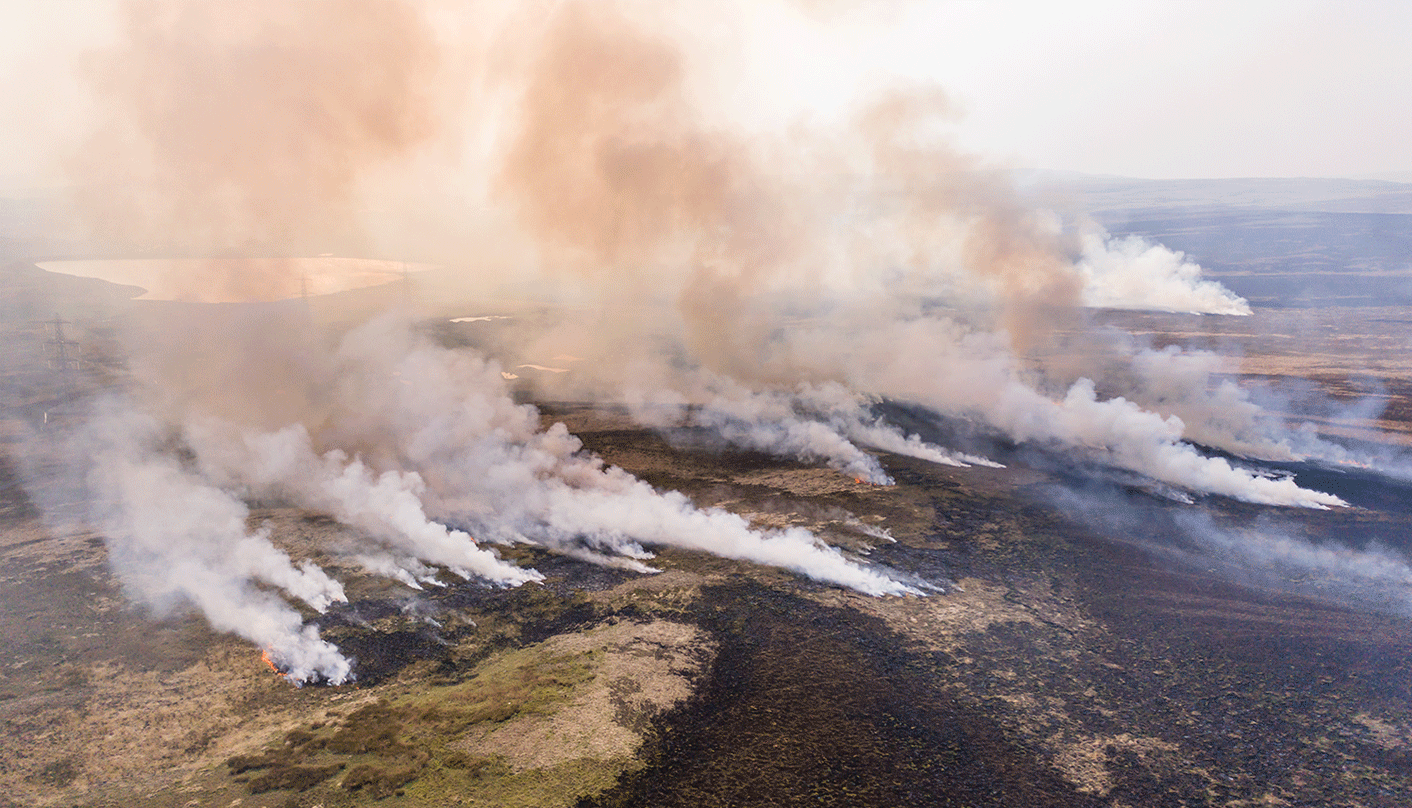
Indoor fires are unlikely to be affected by the seasons, but the likelihood of outdoor fires increases during the summer months. The hot, dry atmosphere is more susceptible to a blaze and once it spreads on dry grass and heathland, it can be very difficult to put it out.
© whitcomberd / Adobe Stock
How many fires are caused by barbecues?
A study of data supplied by 45 fire and rescue services across the UK has revealed fires caused by barbecues have increased recently. The worst place for fire-related barbecues is the Greater Manchester area, where fire crews have responded to 121 callouts in one year. This is a massive increase of 80% on the previous 12 months.
London is the second worst area for barbecues blazing out of control, with 70 callouts to the fire service. South Yorkshire had 64 barbecue emergencies. Nationwide, the fire brigade reports 917 callouts to douse barbecues – an increase of 28% year-on-year.
A garden barbecue can cause untold damage to your property, as the flames can easily spread to your garden shed, greenhouse and even your home.
How bad is the fire damage caused by barbecues?
Swinton Insurance warns that a barbecue in the sun can have serious repercussions.
In June 2019, a blaze caused by an out-of-control barbecue on a balcony destroyed 20 flats and caused fire damage to ten more at an apartment block in Barking, London. In 2018, a barbecue in Peterborough burned down a conservatory and a garden shed and melted the house guttering.
The fire service says barbecues have been responsible for 4% of all serious fires in the UK this year. Some fire safety organisations are calling for a complete ban, particularly when temperatures hit the high 30s, as they have done recently.
The modern trend for firepits near the home on a summer evening can also create a hazard. They should never be placed near flammable structures.
Emergency services have also had to respond to people who have suffered carbon monoxide poisoning after cooking on barbecues in tents. People have also started fires, or been overcome with carbon monoxide, by trying to move a barbecue indoors when it has started to rain.
How do fires on grass and heathlands start?
People should be extremely careful if having a barbecue on grass or heathland, as a single spark can easily ignite the dry landscape. If you leave your disposable barbecue gear, rather than taking it home, there’s a risk it won’t have been put out properly.
A carelessly discarded cigarette in an open space can also spark a wildfire, which can spread so quickly that there’s always a risk they will ignite nearby properties.
While it can be an adventure cooking over a real campfire, never leave it burning while you go off and do something else. Even a slight gust of wind can ignite neighbouring woodland, your tent and other people’s camping gear.
What are the main causes of summer fires?
While barbecues, firepits and campfires are the main causes of summer fires, cigarettes that haven’t been stubbed out can cause a serious blaze.
Mirrors are a lesser-known cause of summer fires, as they can reflect sun beams onto flammable surfaces. Dorset and Wiltshire Fire Service has issued a warning of leaving a mirror or even a glass ornament in direct sunlight, near indoor flammable objects.
Fire chiefs say any curved glass object can act as a lens in particularly hot, bright sunlight. The rays of sunlight become concentrated when they hit the mirror or glass object. They can then bounce onto a flammable material, such as soft furnishings and curtains, and start a fire.
How can you reduce the risks of summer fires?
Never set up barbecues and firepits near the home, or near any flammable structure, such as a wooden garden shed. Always place them in a stable spot, ideally on a flat concrete patio, away from grass or bushes. Don’t have a barbecue on a balcony and never add any flammable liquids.
Always supervise the barbecue or firepit and keep children and pets away. Be prepared for an emergency by having buckets of sand or water nearby to douse the flames. Never use water to douse an electric barbecue, as this can cause further problems.
The fire spitting out from firepits can easily spark a blaze, so keep it away from tree branches, plastic garden decorations and tables with umbrellas. Fire chiefs recommend placing it at least ten feet away from buildings. Avoid burning pine and cedar, as this type of wood is more likely to spit.
Despite following safety procedures, in the unfortunate event of suffering a serious fire this summer, contact your home insurer as soon as possible to set the ball rolling on your claim. To minimise any inconvenience, you can also use emergency furniture rental services to replace household items.