
2022 has seen energy prices become a major topic of discussion in the UK. A combination of factors such as the war in Ukraine and soaring demand for gas and electricity has meant prices for the energy we all use have risen sharply in recent months. This has seen some UK households decide to switch off their heating altogether, in a bid to avoid high bills.
While this is understandable, it can sometimes be a false economy because of the danger frozen pipes bring. This is even more pressing now we are heading into the colder winter months.
© nimito / Shutterstock
Why might pipes freeze?
Although you may not realise it, your pipes actually retain a small amount of water, even when the taps aren’t on. This water can freeze when the temperature drops and leave you with icy pipes. This is a problem during the winter season, and this year could see it present more of a risk than usual.
The cold snap we have already seen in early December shows just how quickly the temperatures can drop and how easily pipes in your home could freeze up. When you also factor in people leaving their heating off to save money on energy bills, it is clear where things could go awry.
What are the risks?
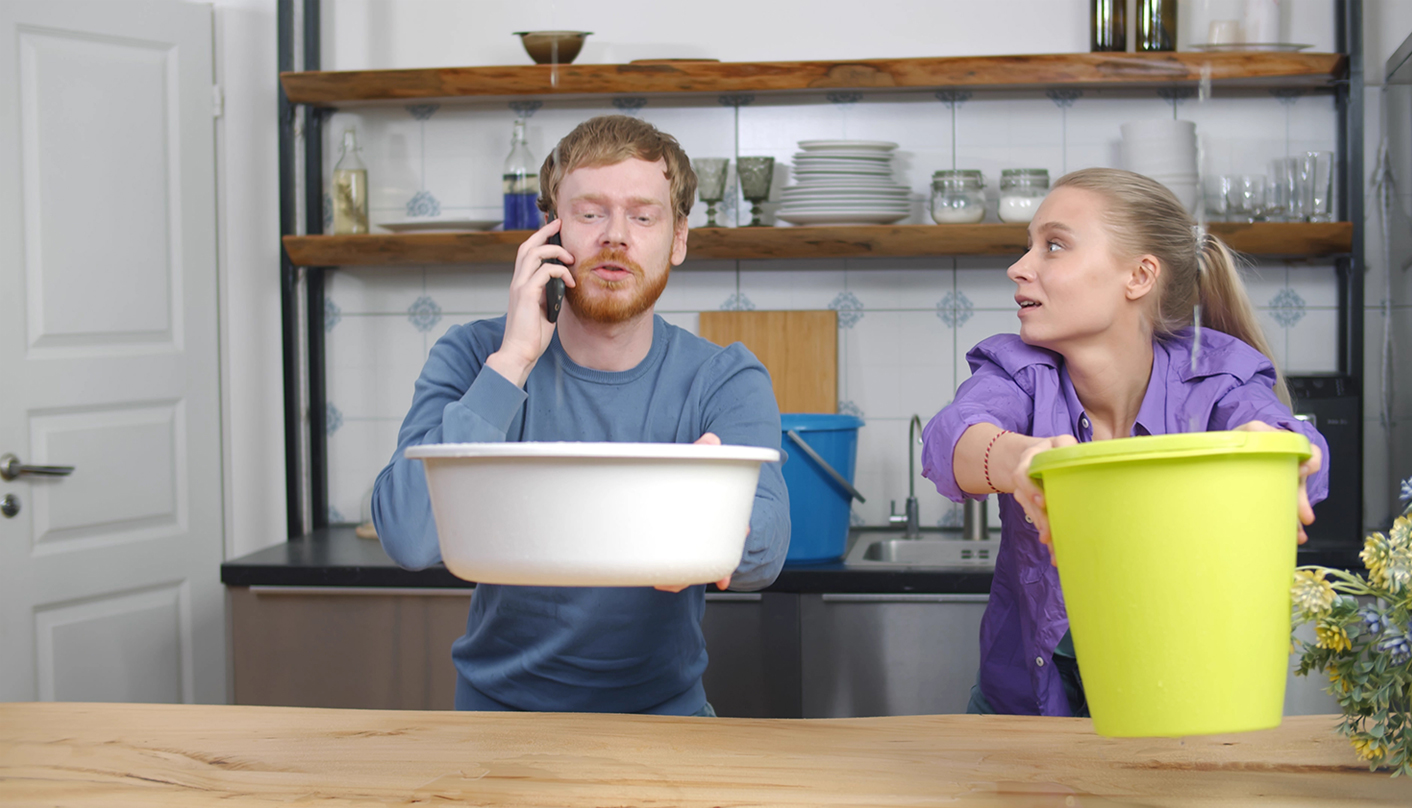
The most dangerous risk is the chance of burst pipes and flooding your property. This happens because the water inside the pipes expands as it freezes and causes excess pressure to build up. After a while, the pipes cannot withstand this force and they burst, causing the water inside them to flood your home.
As a result, you will be without running water while the pipes are fixed. In addition, you will have the hassle of cleaning up the water that has leaked out and repairing the damage to your home.
Cost of burst pipes
Although you might rightfully be worried about the cost of energy, the cost of repairing the devastation may actually cost a lot more. It is not just the price of repairing the pipe you’ll need to factor in, but also fixing any damage to flooring, furniture and electrical items that subsequent flooding brings.
Homeowners and tenants need to understand that it is potentially less expensive to use energy as needed rather than risk burst pipework, which could cost up to £7,500 to repair. This includes not only the cost of calling out a plumber (often on ’emergency rates’) but also the overall expense of fixing any wider damage caused to the property.
How can you avoid this?
Although it is possible for a qualified plumber to repair burst pipes or thaw out ones which have frozen already, the best tip is to stop it happening in the first place. The following advice is a great place to start:
- In colder areas, use sponge covers around the pipes and insulate water tanks which may be in colder parts of your home, such as the loft
- Use the heating for a short period each day
- Run taps regularly to avoid water freezing in them
- Open loft hatches and cabinet doors in your home to allow warmer air to circulate
What do you do if frozen pipes burst?
The most important thing to do first is turn off the flow of water at the stopcock and then call a qualified plumber for assistance. Doing this will stop water from pouring out. It also means you can get the leak repaired as quickly as possible.
Of course, you may well be out of the house when a pipe bursts and this is when a lot of damage can be done. It is advisable to leave the heating on at a low temperature while a property is unoccupied.
As well as following the above steps, you may also need to think about clearing up water and assessing what else needs doing. If your furniture has been damaged by flooding, then you will need to think about emergency furniture rental while you get back on your feet.
The best bet is to be sensible about how much energy you use but also do what you can to ensure frozen pipework doesn’t become an issue.